
Skin Cleansing
Skin Cleansing
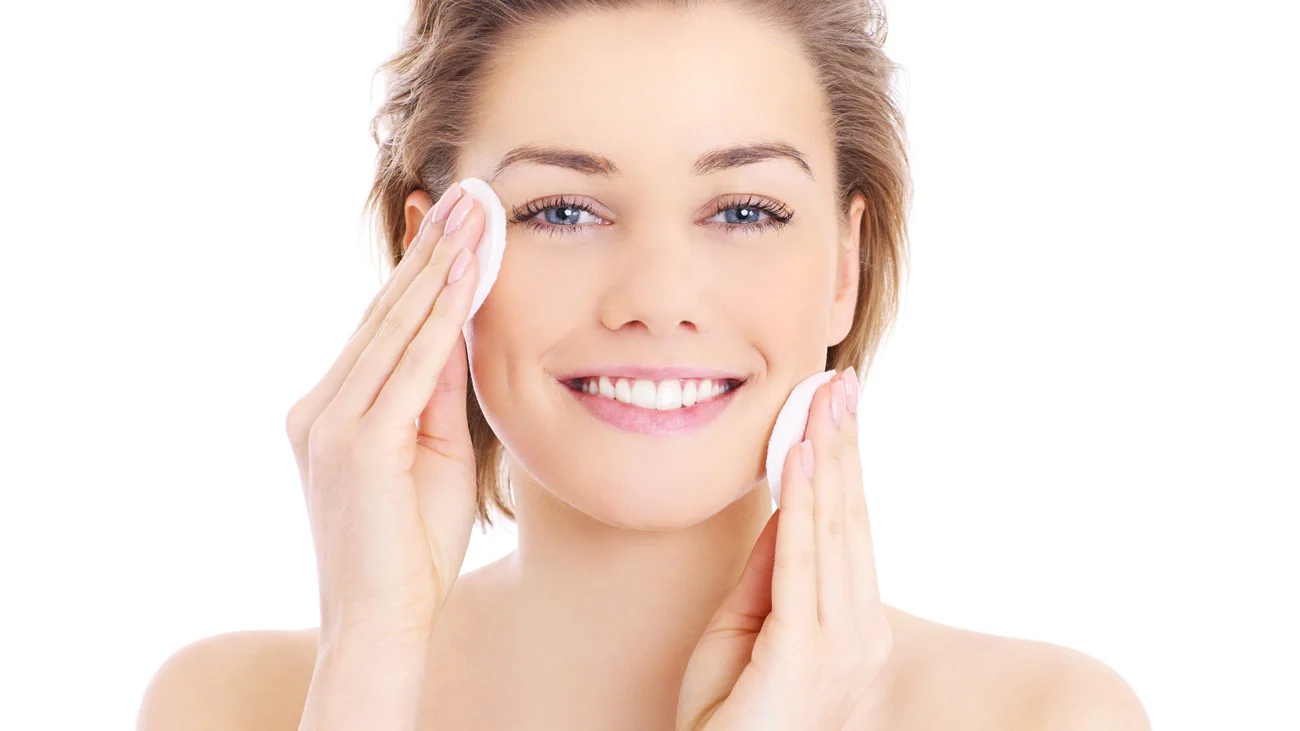
Skin cleansing removes layered dead cells, cosmetic residue, excess oil, comedones, oily plugs, breakouts, microbes, toxins and impurities. It enhances skin regeneration, stimulates blood circulation and improves metabolism.
The result is smooth, elastic, healthy-looking skin.
There are three main types of facial cleansing: mechanical, instrumental and chemical.
Mechanical Cleansing
Performed manually with sterile tools (without equipment), typically after steaming the skin.
This method may cause discomfort and temporary irritation, but in certain cases, it is indispensable. At Medical Group, mechanical cleansing is often combined with device-assisted cleaning.
Instrumental (Hardware) Cleansing
Professional deep cleansing performed with specialized equipment, adjusting the depth according to skin needs.
Possible additional steps include: steaming, vacuum spray, brushing, descaling, vacuum extraction, ultrasonic scrubber, microdermabrasion, darsonvalization, phonophoresis, etc.
Hardware cleansing is gentle—patients feel minimal discomfort and the skin experiences little trauma. Treatment schemes vary and are selected individually.
Chemical Cleansing
Performed using chemical peels to remove the upper skin layer and stimulate collagen and elastin production.
Compared to other methods, chemical peeling is more aggressive and has a higher risk of side effects, so frequent sessions are not recommended.
How Often?
Facial cleansing is generally recommended for all skin types from age 15, monthly or once every 2–4 months depending on skin condition.
Especially recommended for:
a) dry skin
b) porous skin
c) oily skin
d) comedones
e) acne
f) post-acne
g) excess sebum
Contraindications:
- Active herpes or eczema
- Hypertensive crisis
- Menstrual cycle
- Compromised skin integrity
- Fever-related illnesses
Skin cleansing removes layered dead cells, cosmetic residue, excess oil, comedones, oily plugs, breakouts, microbes, toxins and impurities. It enhances skin regeneration, stimulates blood circulation and improves metabolism.
The result is smooth, elastic, healthy-looking skin.
There are three main types of facial cleansing: mechanical, instrumental and chemical.
Mechanical Cleansing
Performed manually with sterile tools (without equipment), typically after steaming the skin.
This method may cause discomfort and temporary irritation, but in certain cases, it is indispensable. At Medical Group, mechanical cleansing is often combined with device-assisted cleaning.
Instrumental (Hardware) Cleansing
Professional deep cleansing performed with specialized equipment, adjusting the depth according to skin needs.
Possible additional steps include: steaming, vacuum spray, brushing, descaling, vacuum extraction, ultrasonic scrubber, microdermabrasion, darsonvalization, phonophoresis, etc.
Hardware cleansing is gentle—patients feel minimal discomfort and the skin experiences little trauma. Treatment schemes vary and are selected individually.
Chemical Cleansing
Performed using chemical peels to remove the upper skin layer and stimulate collagen and elastin production.
Compared to other methods, chemical peeling is more aggressive and has a higher risk of side effects, so frequent sessions are not recommended.
How Often?
Facial cleansing is generally recommended for all skin types from age 15, monthly or once every 2–4 months depending on skin condition.
Especially recommended for:
a) dry skin
b) porous skin
c) oily skin
d) comedones
e) acne
f) post-acne
g) excess sebum
Contraindications:
- Active herpes or eczema
- Hypertensive crisis
- Menstrual cycle
- Compromised skin integrity
- Fever-related illnesses