
Botox
Botox
History and Early Use of Botox
The use of Botox in medicine began in the 1980s. Initially, it was widely applied in ophthalmology and neurology for the treatment of various neurological disorders, muscle spasms, and eye muscle conditions.
During this period, a unique and unexpected side effect was observed — patients showed noticeable smoothing of wrinkles around the eyes, forehead, and lips. This discovery laid the foundation for the use of Botox in cosmetology and aesthetic medicine, where it quickly gained popularity and remains highly relevant today.
Types of Wrinkles Treated With Botox
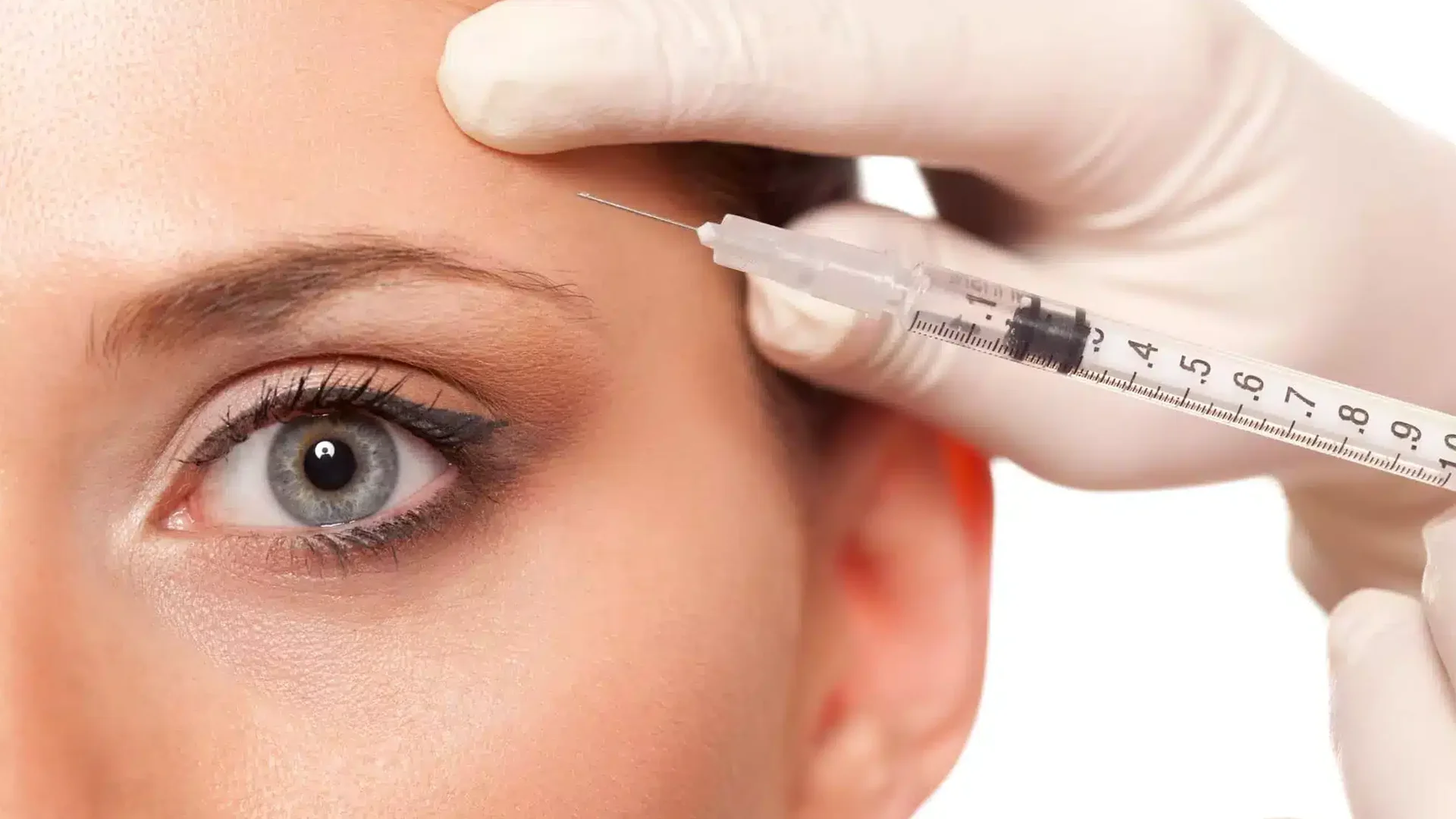
Botox injections are effectively used to smooth facial expression lines in different areas of the face. One of the most common targets is vertical wrinkles located between the eyebrows, often referred to as “frown lines.”
Botox is also commonly used to treat horizontal forehead lines, which tend to become deeper and more visible with age. In addition, Botox is applied to vertical wrinkles around the upper lip, the nasolabial area, and fine lines around the eyes, commonly known as “crow’s feet.”
Onset of Effect and Results
The effect of Botox becomes noticeable within 24–48 hours after the injection.
The results gradually intensify and reach their maximum effect within the first two to four weeks. The skin appears smoother, and facial expressions look more relaxed and refreshed, while maintaining a natural appearance.
Duration of Effect and Repeat Treatments
The results of Botox typically last between 4 to 6 months.
After this period, muscle activity gradually returns, and wrinkles may slowly reappear. To maintain consistent and long-lasting aesthetic results, repeat treatments can be performed as recommended by a specialist.
History and Early Use of Botox
The use of Botox in medicine began in the 1980s. Initially, it was widely applied in ophthalmology and neurology for the treatment of various neurological disorders, muscle spasms, and eye muscle conditions.
During this period, a unique and unexpected side effect was observed — patients showed noticeable smoothing of wrinkles around the eyes, forehead, and lips. This discovery laid the foundation for the use of Botox in cosmetology and aesthetic medicine, where it quickly gained popularity and remains highly relevant today.
Types of Wrinkles Treated With Botox
Botox injections are effectively used to smooth facial expression lines in different areas of the face. One of the most common targets is vertical wrinkles located between the eyebrows, often referred to as “frown lines.”
Botox is also commonly used to treat horizontal forehead lines, which tend to become deeper and more visible with age. In addition, Botox is applied to vertical wrinkles around the upper lip, the nasolabial area, and fine lines around the eyes, commonly known as “crow’s feet.”
Onset of Effect and Results
The effect of Botox becomes noticeable within 24–48 hours after the injection.
The results gradually intensify and reach their maximum effect within the first two to four weeks. The skin appears smoother, and facial expressions look more relaxed and refreshed, while maintaining a natural appearance.
Duration of Effect and Repeat Treatments
The results of Botox typically last between 4 to 6 months.
After this period, muscle activity gradually returns, and wrinkles may slowly reappear. To maintain consistent and long-lasting aesthetic results, repeat treatments can be performed as recommended by a specialist.