
Phototherapy
Phototherapy
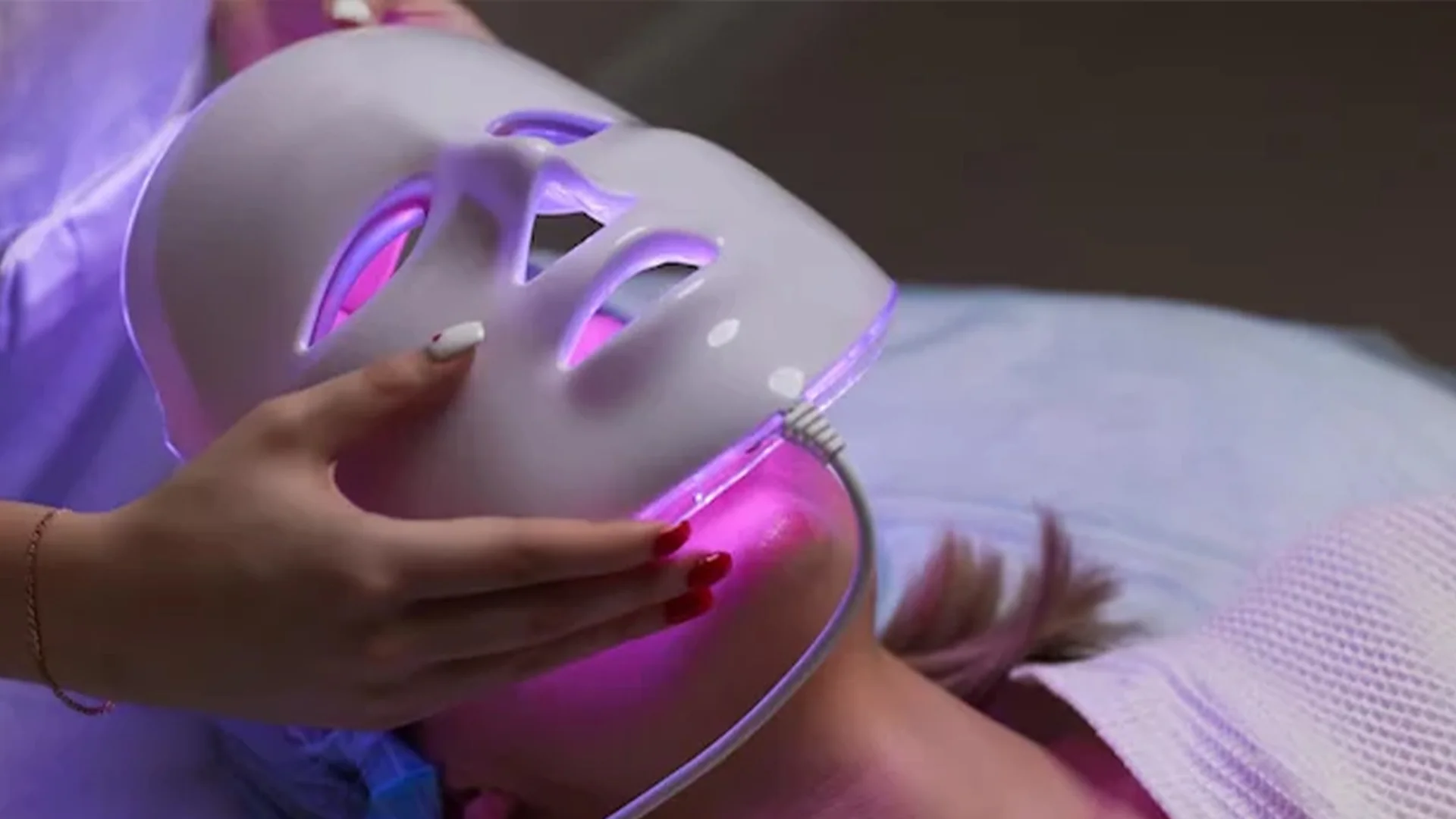
Phototherapy is one of the most effective methods of skin rejuvenation.
It is a non-invasive, completely painless procedure that does not generate heat energy and does not cause any damage to the skin.
The photons emitted during the session interact with skin cells, stimulating their regeneration and improving the overall structure, tone, and appearance of the skin.
Phototherapy is considered as one of the safest and most effective treatments for all skin types, suitable both for therapeutic and preventive purposes.
It can be used as a standalone procedure or combined with other treatments such as facial cleansing, fractional laser therapy, acne therapy, and more.
The method includes 7 modes, each with different effects on the skin.
The appropriate mode is selected by the doctor based on the patient’s condition:
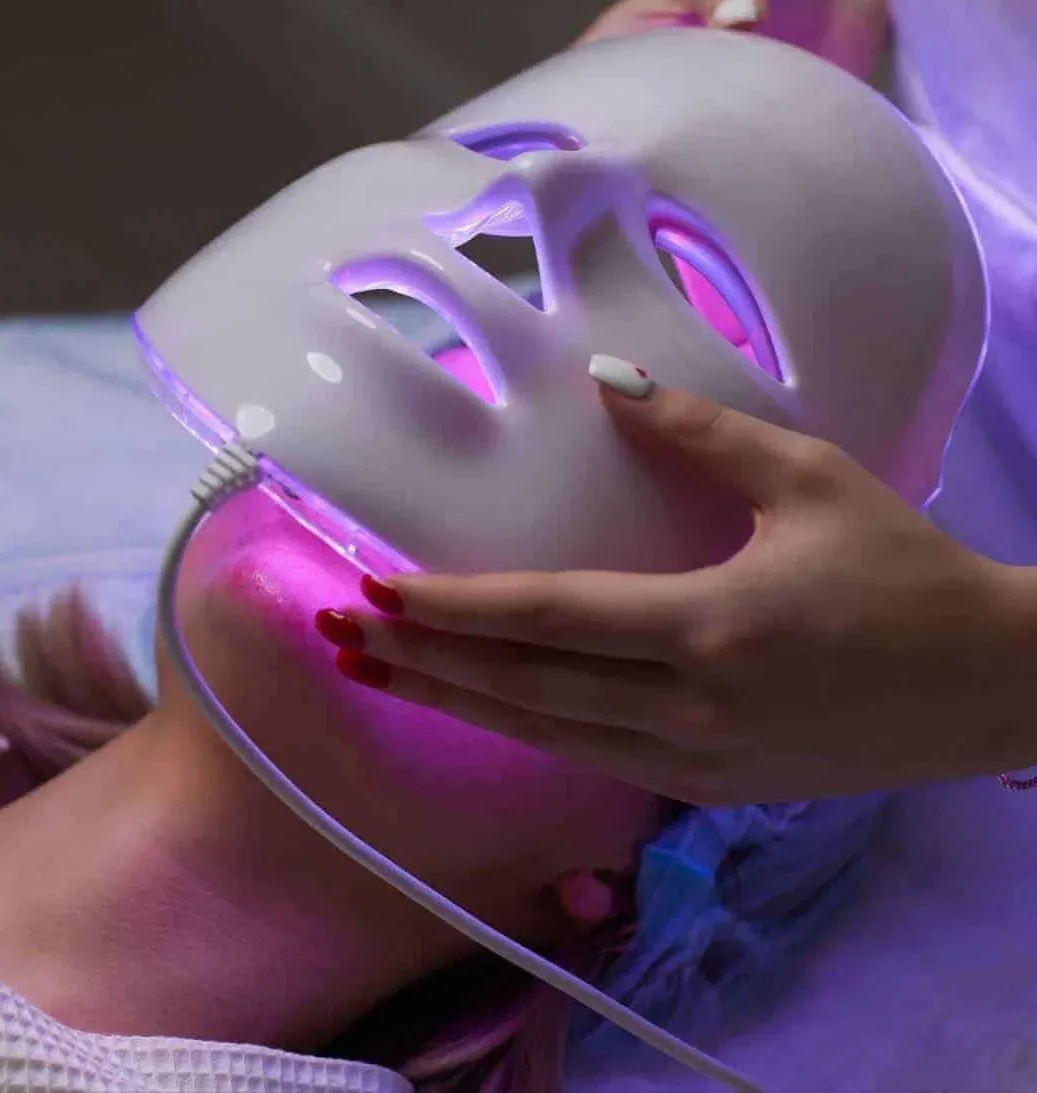
The treatment is painless, requires no downtime, and patients can return to normal daily activities immediately after the session.
Contraindications
(Conditions under which the procedure is not recommended)
- Neoplastic diseases
- Hypertension
- Blood disorders
- Acute inflammatory diseases or chronic conditions during flare-ups
- Fever or elevated body temperature
- Allergic skin rashes
- Age under 16
- Mental illnesses
- Epilepsy
- Diabetes mellitus
- Presence of a pacemaker
- Thyroid diseases
- Cataract or glaucoma
- Use of tranquilizers, narcotics, or strong antibiotics
- Pregnancy
Phototherapy is one of the most effective methods of skin rejuvenation.
It is a non-invasive, completely painless procedure that does not generate heat energy and does not cause any damage to the skin.
The photons emitted during the session interact with skin cells, stimulating their regeneration and improving the overall structure, tone, and appearance of the skin.
Phototherapy is considered as one of the safest and most effective treatments for all skin types, suitable both for therapeutic and preventive purposes.
It can be used as a standalone procedure or combined with other treatments such as facial cleansing, fractional laser therapy, acne therapy, and more.
The method includes 7 modes, each with different effects on the skin.
The appropriate mode is selected by the doctor based on the patient’s condition:
The treatment is painless, requires no downtime, and patients can return to normal daily activities immediately after the session.
Contraindications
(Conditions under which the procedure is not recommended)
- Neoplastic diseases
- Hypertension
- Blood disorders
- Acute inflammatory diseases or chronic conditions during flare-ups
- Fever or elevated body temperature
- Allergic skin rashes
- Age under 16
- Mental illnesses
- Epilepsy
- Diabetes mellitus
- Presence of a pacemaker
- Thyroid diseases
- Cataract or glaucoma
- Use of tranquilizers, narcotics, or strong antibiotics
- Pregnancy