
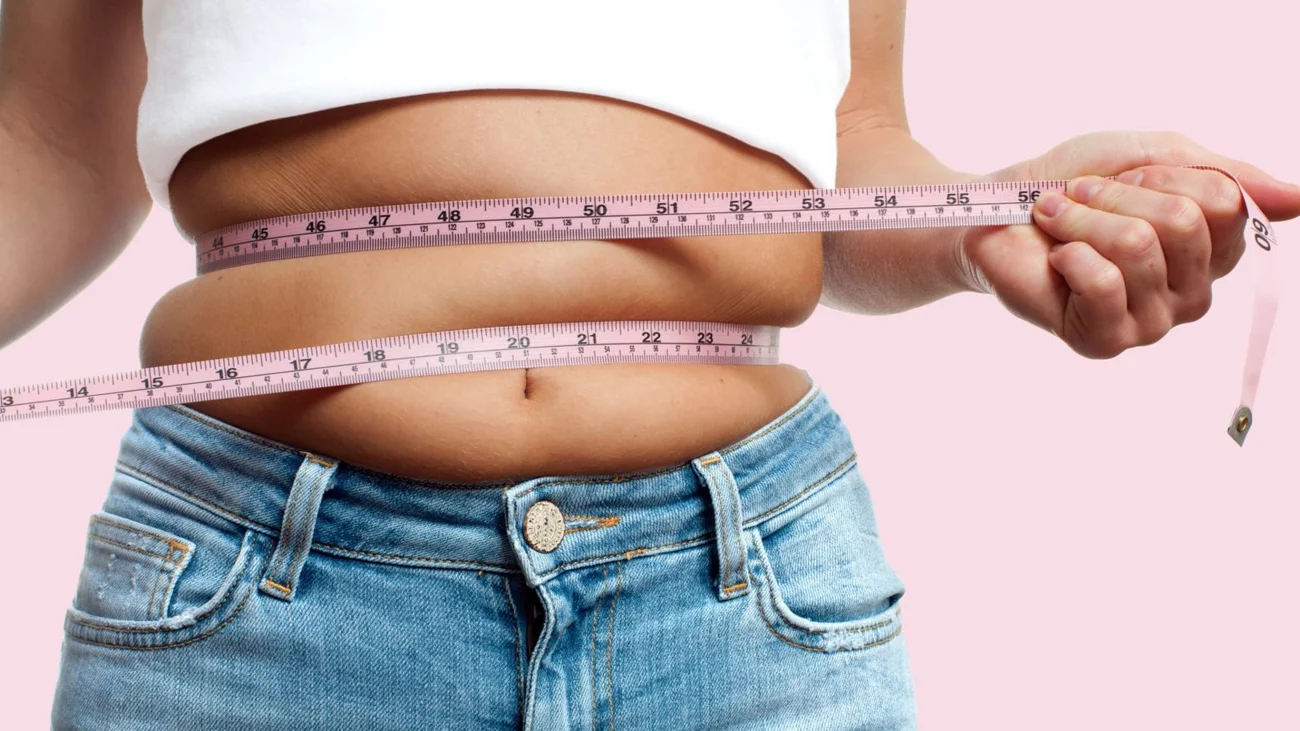
Why Do Stubborn Fat Deposits “Refuse” to Go Away Even After Dieting and Exercise?
Why Do Stubborn Fat Deposits “Refuse” to Go Away Even After Dieting and Exercise?
A number of congenital and acquired conditions can lead to excess weight, but in most cases, the primary cause is an unhealthy lifestyle.
There are several contributing factors:
1. Eating on the Run
People who eat quickly inevitably eat more. This happens because the brain’s hunger center does not have enough time to register fullness—the food reaches the stomach too quickly for proper signaling.
Tip: When eating, focus on chewing thoroughly. Try to reduce potatoes, chips, white bread and sandwiches in your diet.
2. Insomnia
Sleeping less than seven hours a night or struggling with chronic insomnia raises blood glucose levels, which increases insulin and promotes excess fat storage. This is the body’s natural reaction to stress.
Tip: Work on improving sleep hygiene. Go to bed at the same time every night. Aim for eight hours of sleep.
3. Only Exercise Is Not Enough
You can exercise intensely every day and still gain weight. It all depends on caloric balance. If the calories burned during exercise are significantly less than the calories consumed through food, weight gain is inevitable.
4. Processed Foods
Processed products are typically high in calories and fat. For example, store-bought cutlets often contain more breading and fat than meat.
Important Note
Diet and exercise only reduce overall body weight. Unevenly distributed fat (especially after weight loss) cannot be removed by diet and exercise alone. For this, modern aesthetic medicine offers a wide range of hardware-based and non-hardware body-contouring methods.
If you want to learn more, visit our official website, where each method is described in detail. You can also call our hotline for expert consultation.
A number of congenital and acquired conditions can lead to excess weight, but in most cases, the primary cause is an unhealthy lifestyle.
There are several contributing factors:
1. Eating on the Run
People who eat quickly inevitably eat more. This happens because the brain’s hunger center does not have enough time to register fullness—the food reaches the stomach too quickly for proper signaling.
Tip: When eating, focus on chewing thoroughly. Try to reduce potatoes, chips, white bread and sandwiches in your diet.
2. Insomnia
Sleeping less than seven hours a night or struggling with chronic insomnia raises blood glucose levels, which increases insulin and promotes excess fat storage. This is the body’s natural reaction to stress.
Tip: Work on improving sleep hygiene. Go to bed at the same time every night. Aim for eight hours of sleep.
3. Only Exercise Is Not Enough
You can exercise intensely every day and still gain weight. It all depends on caloric balance. If the calories burned during exercise are significantly less than the calories consumed through food, weight gain is inevitable.
4. Processed Foods
Processed products are typically high in calories and fat. For example, store-bought cutlets often contain more breading and fat than meat.
Important Note
Diet and exercise only reduce overall body weight. Unevenly distributed fat (especially after weight loss) cannot be removed by diet and exercise alone. For this, modern aesthetic medicine offers a wide range of hardware-based and non-hardware body-contouring methods.
If you want to learn more, visit our official website, where each method is described in detail. You can also call our hotline for expert consultation.